Skip to content

What Is the Best Type of Olive Oil? A Complete Guide

If you’ve ever found yourself staring at the grocery store shelf wondering what the best type of olive oil is, you’re not alone. With labels like extra virgin, virgin, olive, refined, pure, and cold-pressed, choosing the right bottle can feel confusing.

And we’re seeing more early harvest extra virgin olive oils available in the UK, too, adding yet another description to consider. In this guide, we explain every major type of olive oil, how they’re made, and the best uses for each—so you can confidently choose the right oil every time you cook.

This article talks about the words used to describe types of olive oil. One other significant factor behind the flavour and nutrient values of an olive oil is the varieties of olive used to make the oil. You can read more about the main olive varieties here. 

Natural issues affecting olive oil quality

And just as with grapes grown for making wine, the land the olives are grown on plays a strong part - coupled with the climate in that area. The age of trees also has an impact. 

As olive trees age, they send their roots further down into the ground, and over a wider area, as with all trees. This means that a tree which is several hundred years old will have a substantially broader, stronger root system than one which is only 10 or 15 years old. This affects the nutrients the olive tree is able to suck in from the earth, which as you might expect then impacts the nutritional value of the olives each tree produces. Similarly the way the olive grove structure can have a major effect, too.

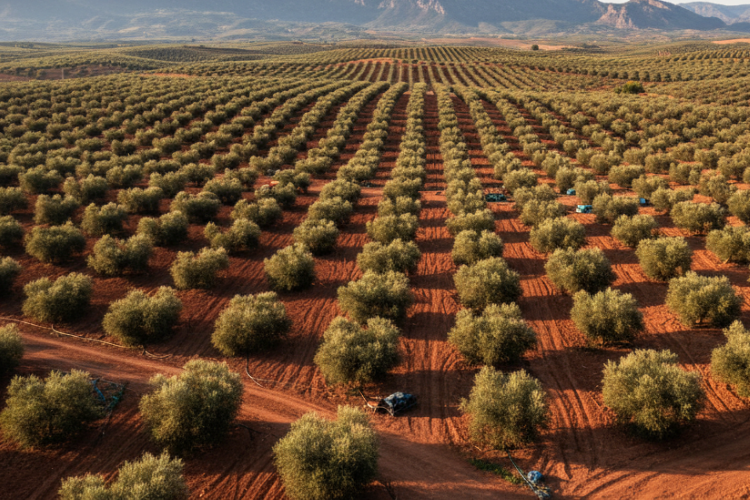
Traditional olive groves kept their trees widely dispersed, so each tree had good access to the water and nutrients from a decent areas around it. In the last few decades more and more farms have become industrialised, digging up old trees that were widely dispersed and replacing them with trees far closer together- which is called intensive olive farming. These farms typically have to use chemical fertilisers to feed the trees as they can’t get sufficient nutrients from the ground.
Extra Virgin Olive Oil (EVOO): The Highest Quality Choice

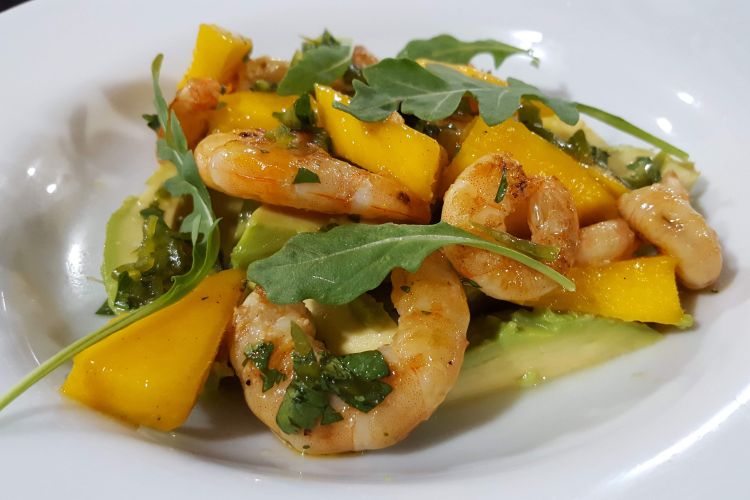
Best for: salads, dipping, finishing dishes

Why it’s often considered the best: premium flavour and the highest antioxidant levels combined with low acidity; the most natural, unprocessed type of olive oil.

When people ask “What is the best type of olive oil?”, the most common answer is extra virgin olive oil. EVOO is the highest-grade oil and must meet strict quality requirements:

  • Extracted mechanicaly without heat or chemicals
  • Acidity of 0.8% or lower
  • Free of flavour or aroma defects

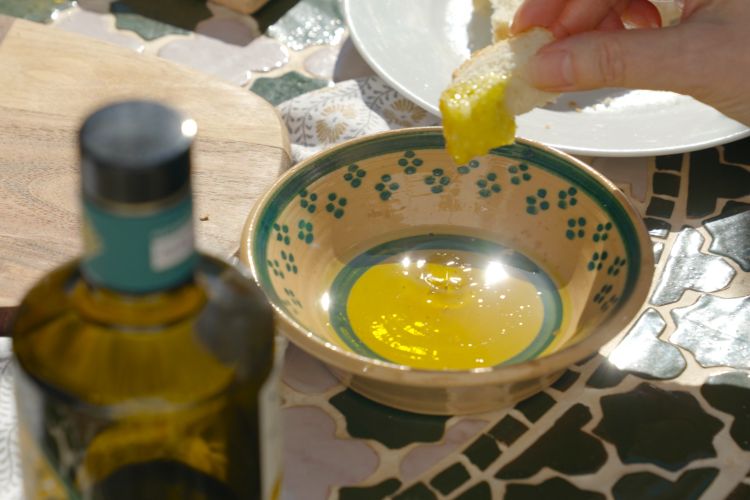
This oil has the richest taste and the greatest health benefits thanks to its high concentration of polyphenols. Choose EVOO when flavour matters—drizzling on salads, finishing pasta, or pairing with bread.

Not all Extra Virgin Olive Oils are the same

But there are very many extra virgin olive oils on the market—and they vary widely. Most supermarket own-brand extra virgin olive oils are very different to artisan olive oils. The supermarkets all need vast quantities of oil, so their own-brand oils are almost always blends from lots of large olive farms - and often from a variety of countries. These oils will usually be made from very ripe, black olives which have been farmed intensively, often using plenty of chemical fertilisers and insecticides. This is how the supermarkets are able to sell them for as little as they do - but the taste and nutritional value suffer. These oils are often fine for cooking, but won’t be great with bread or on salads, soups, etc.

If in doubt about what the extra virgin olive oil you have is like, smell and taste it… and look it up online - if the product page doesn’t tell you what the polyphenol count or acidity level is, you can be reasonably sure that they won’t be good.

Most supermarket own-brand extra virgin olive oils are very different to artisan olive oils

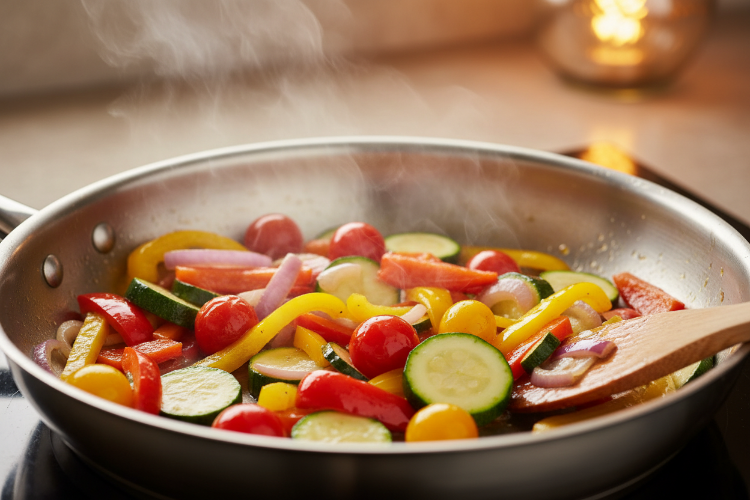
sauteeing vegetables in a frying pan

Virgin Olive Oil: more acidic, fewer polyphenols

Best for: everyday cooking, sautéing, roasting

Virgin olive oil is also naturally extracted, but it has slightly higher acidity and a milder flavor than extra virgin. And far fewer polyphenols, the powerful anti-oxidants.

It’s actually quite rare to find virgin olive oil on UK shop shelves these days. But some people like it for situations where they want olive flavour but don’t need the boldness - or the price point - of premium EVOO. For many households, virgin olive oil is the best all-around cooking oil.

Refined Olive Oil – highly processed

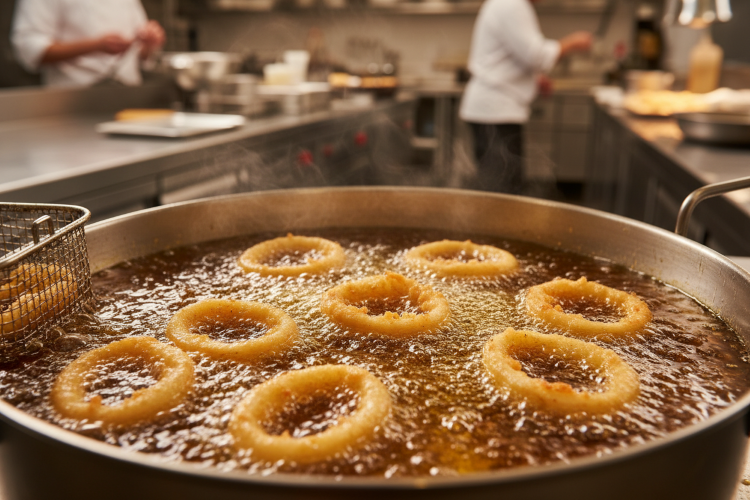
Often used for: frying, grilling, high-heat cooking

Refined olive oil is made by processing the waste from the mills producing virgin and extra virgin olive oil, and using high temperatures and industrial machines to squeeze more oil out. Manufacturers of these oils sometimes also mix in virgin olive oil that didn’t meet higher standards. The result is:

  • A bland flavour
  • A pale colour
  • None of the health benefits of high polyphenols

Bottles labeled “Olive Oil,” “Pure Olive Oil,” or “Classic Olive Oil” are typically refined oil blended with a small amount of virgin or extra virgin for taste. These oils taste very different and have a more artificial texture. They have none of the fresh smells a good artisan extra virgin olive oil will have.

Cold pressing means the oil is extracted without heat, helping preserve aroma and nutrients

What is Cold-Pressed Olive Oil?

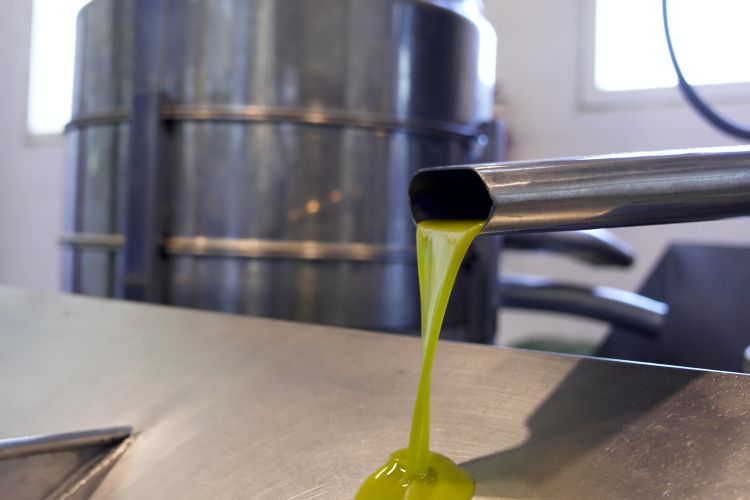
Cold pressing means the oil is extracted without heat, helping preserve aroma and nutrients. This term refers to the way olive oil was made decades ago - with olive “presses”, which would press olives between two large stones. Today almost none of the oil you can buy is “pressed” in this way - the old presses are not deemed sufficiently hygienic for bottling and sale.

Modern olive mills still use the same approach without heating the olives - but they use a simple machine to grind the olives rather than literally pressing it between stones. The term is still sometimes used even though many of the olive oils using it won’t have been “pressed.” Most high-quality extra virgin olive oils today are naturally cold-pressed, though the term is often highlighted on labels for consumers seeking minimally processed products.

First-Press Olive Oil: A Traditional Term

Best for: specialty or artisanal shoppers

Historically, “first press” referred to the very first mechanical pressing of olives. Modern extraction uses centrifuges not presses, so today the term usually describes premium-quality EVOO rather than a distinct category.

Olives grow steadily over time, usually from late April or early May until they get harvested

Early Harvest Olive Oil:

Best for: the best nutirional values and freshest flavour.

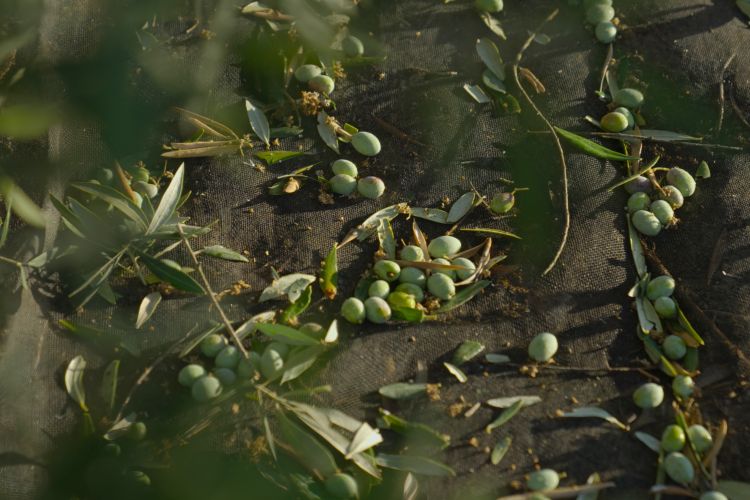
Olives grow steadily over time, usually from late April or early May until they get harvested. As olives ripen they turn from green to black, and get fatter and softer. The black olives therefore produce more oil per kilo of olives than green ones - typically up to twice as much, in fact. But the nutrients in olive oil made from green olives are far higher - as much as double - the levels the same olives would yield if harvested later.

So premium olive oil producers often sell early harvest olive oil - which will almost always be extra virgin olive oil. This will take twice as many olives per litre as the later harvested olives, so understandably it costs more to make and buy.

Early harvest olive oil also smells and tastes much deeper - much fresher, and often has a more bitter, peppery tone. The peppery nature comes from the polyphenols - the more peppery the olive oil, the more polyphenols it is likely to have.

So, What Is the Best Type of Olive Oil?

The answer depends on what you want. For health and full-flavoured olive oils, early harvest extra virgin olive oil is undoubtedly the best choice. For regular cooking, many chefs prefer a standard extra virgin olive oil.

If you are just focused on the taste of the olive oil, for example when drizzled on a salad or fresh bread, then a high quality extra virgin olive oil is best. As with most foods, it’s wise to try a number to find what you like the most- and what suits your budget.

You may also like these articles

The Main Varieties of Olive: A Journey Through Taste, Tradition, and Terroir

Few foods capture the soul of Europe quite like the olive. Cultivated for thousands of years along the Mediterranean basin, olives are more than a ...

Tags: Olives, Olive oil

Read more

7 reasons to subscribe to Etico Olive Oil

There are many reasons you might want to subscribe to Etico olive oil…  In this article we explain why we think you might want to sign up to buy Et...

Tags: Etico, Olive oil

Read more

What are Polyphenols and which olive oils have the most?

You’ve probably seen that many premium extra virgin olive oil companies talk about the high levels of polyphenols in their olive oil. At Etico we a...

Tags: Health and nutrition, Olive oil

Read more
Add Special instructions for your order
Coupon Code