Skip to content

What are you looking for?

What are Polyphenols and which olive oils have the most?

You’ve probably seen that many premium extra virgin olive oil companies talk about the high levels of polyphenols in their olive oil. At Etico we are really proud of the high level of polyphenols in our olive oil, for example. But what are polyphenols, and why should you care?

What are polyphenols?

Polyphenols are compounds from plants, sometimes called micronutrients. They are a type of antioxidant. Antioxidants are natural molecules which help prevent damage being done to our bodies by “free radicals.” These free radicals have been shown to lead to cancer, cardiovascular disease, dementia, diabetes and other health problems.

Many health experts now encourage us all to eat foods which are high in polyphenols - such as extra virgin olive oil; walnuts, almonds, pecans and hazelnuts; dark-coloured berries and pomegranates; artichokes, spinach and red onions; dark chocolate (minimum 70% cocoa), dried peppermint, cloves and cinnamon.

Polyphenols in Extra Virgin Olive Oil

The polyphenols in early harvest extra virgin olive oil deliver multiple overlapping health benefits. For those really into their science, these polyphenols include elements like hydroxytyrosol, oleuropein, and oleocanthal. Hydroxytyrosol is a powerful antioxidant that can protect cells from damage. Medical studies suggest it can support cardiovascular health in a number of ways. Oleuropein has antimicrobial properties and can help to lower blood pressure. Oleocanthal is a natural anti-inflammatory compound which works in a similar way to ibruprofen.

All these polyphenols also serve as "rocket fuel" for your gut microbiome, according to nutrition scientists like ZOE's Tim Spector. They act as prebiotics, feeding beneficial bacteria in your gut while limiting harmful microbes. And supporting good gut health can extend beyond digestion, influencing everything from immune function to mental health. And new research is emerging all the time, suggesting links between natural polyphenols and improving heart health (lower rates of atrial fibrillation), improved brain health (protecting against cognitive decline and reducing the risk of dementia), and even reducing the formation of skin wrinkles as we age!

Plant-based antioxidants with powerful anti-inflammatory effects

Does all olive oil have high levels of polyphenols?

Not all olive oils are created equal. While a bottle of generic olive oil might seem like a good choice for use in cooking or salads, most of these oils won’t have very high levels of polyphenols. Premium early harvest extra virgin olive oil from ancient olive trees typically have far more polyphenols than regular extra virgin olive oil - the early harvest (with green olives) can boost polyphenols by more than 50%.

Any high quality olive oil should tell you what its level of polyphenols are at the time of bottling. It is unusual to find this information on a bottle of olive oil, due to the regulations regarding food labels and the changing nature of polyphenols - the polyphenol levels in any olive oil will decline over time.

How are polyphenols measured?

Polyphenols are very small, despite being so powerful. They are not visible to the naked eye, but can be measured in laboratories which analyse the components in food. The standard unit of measurement for polyphenols is mg/kg. The EU defines “high levels of polyphenols” as an olive oil with over 250 mg/kg.

Very good quality artisan, extra virgin olive oils can have far higher levels of polyphenols than that - the best can have 500 - 600 mg/kg, or even more. Any olive oil with a score over 600 mg/kg can be regarded as very high in polyphenols.

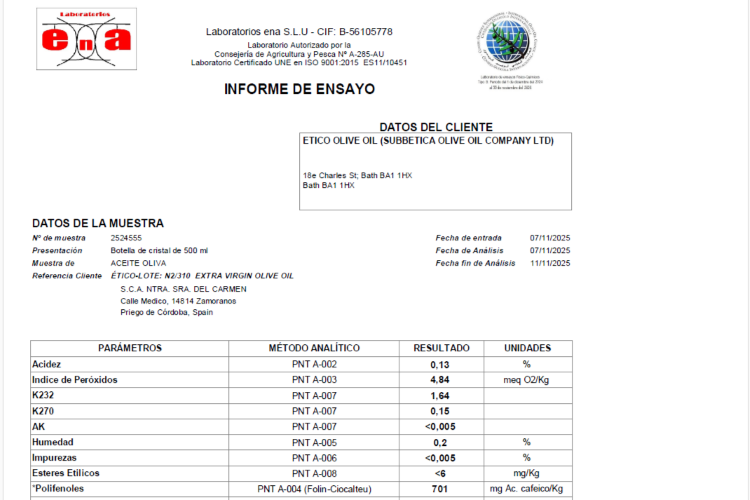
Etico olive oil´s 2025 lab report (see photo) produced an incredible 701 mg/kg, which is ultra-high!

Premium early harvest EVOO can contain over 500 mg/kg of polyphenols, compared to late harvest oils that may have less than 100 mg/kg

What Makes Early Harvest Olive Oil Exceptional?

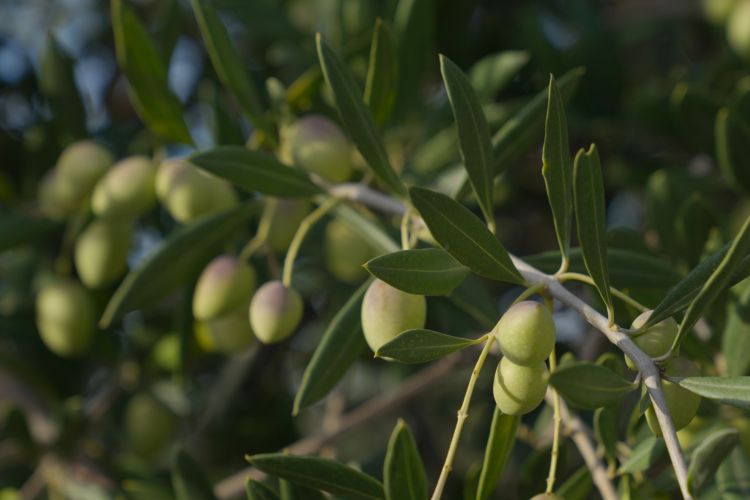
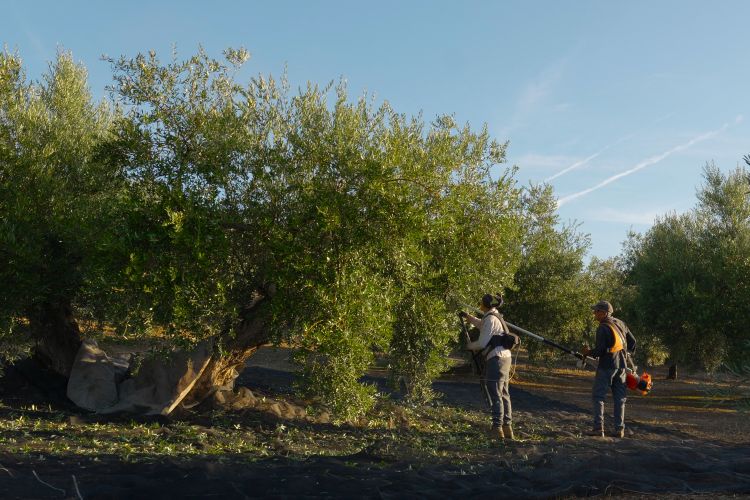
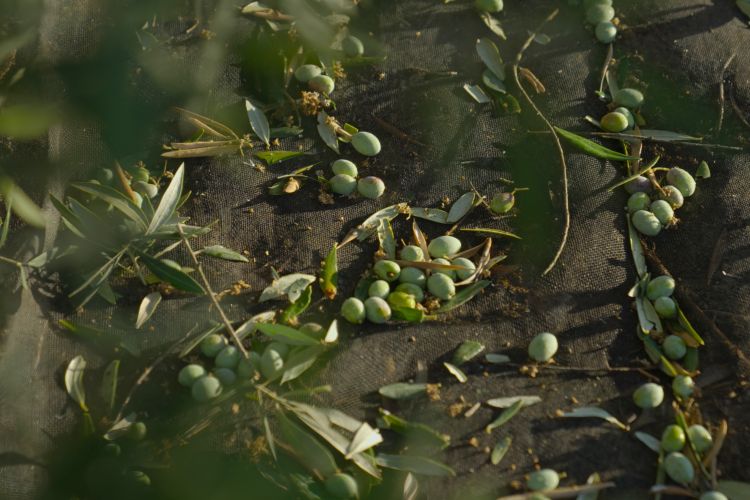
Premium early harvest EVOO can contain over 500 mg/kg of polyphenols, compared to late harvest oils that may have less than 100 mg/kg. When olives are harvested early, typically in late October or early November, when they're still green and barely ripe, they contain peak concentrations of polyphenols.
In addition, the process of extracting extra virgin olive oil is done by cold pressing, without the need for using chemicals or heat, both of which reduce the polyphenol count in other edible oils.

So, the diversity of different polyphenols in high-quality early harvest extra virgin olive oil means you're supporting a diverse ecosystem of beneficial bacteria with every drizzle.

How to tell if an olive oil is high in polyphenols?

A tip for how to detect a high polyphenol count is to look for a distinctive peppery taste particularly at the back of the throat as you taste the oil. This is partly due to oleocanthal, a polyphenol with anti-inflammatory properties similar to ibuprofen. That pleasant throat sensation is actually your body's response to one of nature's most potent anti-inflammatory compounds.

Reducing inflammation is known to be a valuable tool in combating chronic inflammation linked to conditions like heart disease, diabetes, and neurodegeneration.

As olives ripen and darken in colour on the tree, their polyphenol content naturally declines.

The Stark Contrast with Other Oils

Regular (non extra virgin) olive oil undergoes processing that strips away most polyphenols, leaving you with a bland, nearly colorless oil, with little or no taste. While it still contains some healthy monounsaturated fats, the powerful polyphenols have largely vanished. Light olive oil, despite its appealing name, is even more heavily refined and contains minimal polyphenols.

Find more information about types of olive oil here (link). Any oils that are not made using cold pressing will typically use processes that involve using heat and chemical solvents, processes that destroy any polyphenols that might have existed in the source plants.

Even later harvest extra virgin olive oil, while still superior to refined alternatives, contains significantly fewer polyphenols than early harvest versions. As olives ripen and darken in colour on the tree, their polyphenol content naturally declines. Producers who wait for full ripeness can extract more oil per olive, making production more economical, but the resulting product lacks the concentrated health benefits that make early harvest oils worth their premium price.

Is early harvest extra virgin olive oil worth the extra cost?

Premium early harvest extra virgin olive oil costs more for good reason. Early harvesting yields much less oil per olive, is more challenging to harvest by hand, and demands milling as soon as possible after harvesting to preserve the highest polyphenol count.

To maximize benefits, consume your premium oil properly. Store it in a dark bottle away from heat and light, as polyphenols degrade with exposure. And unlike wine, it will not mature – your early harvest extra virgin olive oil is best consumed as soon as possible after buying it, to benefit from the polyphenol count at its highest.

So oils with high polyphenol counts, as well as tasting great, are your friends – their health benefits are real, and increasingly recognized by researchers and nutrition experts as a cornerstone of truly health-promoting nutrition.

You may also like these articles

What Is the Best Type of Olive Oil? A Complete Guide

If you’ve ever found yourself staring at the grocery store shelf wondering what the best type of olive oil is, you’re not alone. With labels like e...

Tags: Olive oil

Read more

The Main Varieties of Olive: A Journey Through Taste, Tradition, and Terroir

Few foods capture the soul of Europe quite like the olive. Cultivated for thousands of years along the Mediterranean basin, olives are more than a ...

Tags: Olives, Olive oil

Read more

7 reasons to subscribe to Etico Olive Oil

There are many reasons you might want to subscribe to Etico olive oil…  In this article we explain why we think you might want to sign up to buy Et...

Tags: Etico, Olive oil

Read more
Add Special instructions for your order
Coupon Code