Skip to content

The Main Varieties of Olive: A Journey Through Taste, Tradition, and Terroir

Few foods capture the soul of Europe quite like the olive. Cultivated for thousands of years along the Mediterranean basin, olives are more than a crop - they’re a way of life, shaping landscapes, cuisines, and economies from Andalusia to Crete.

Each region’s climate, soil, and culture have given rise to distinct olive varieties with their own aromas, textures, and histories. Here’s a guide to Europe’s most celebrated olive varieties and what makes them so special.
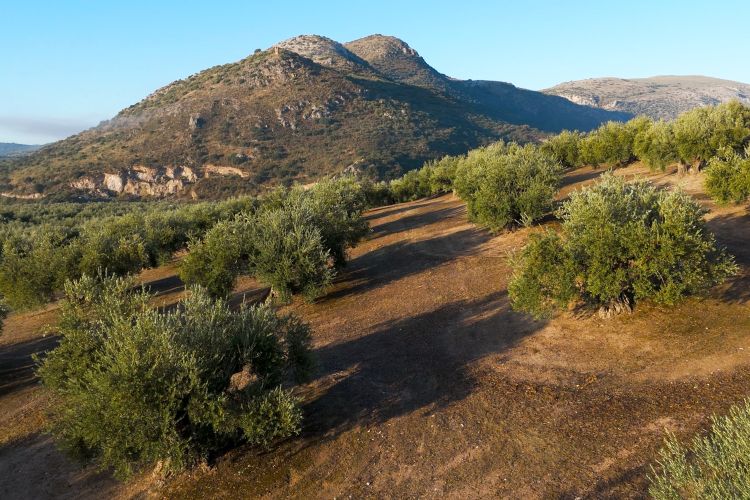
Spain: the world’s leader in olive and olive oil production

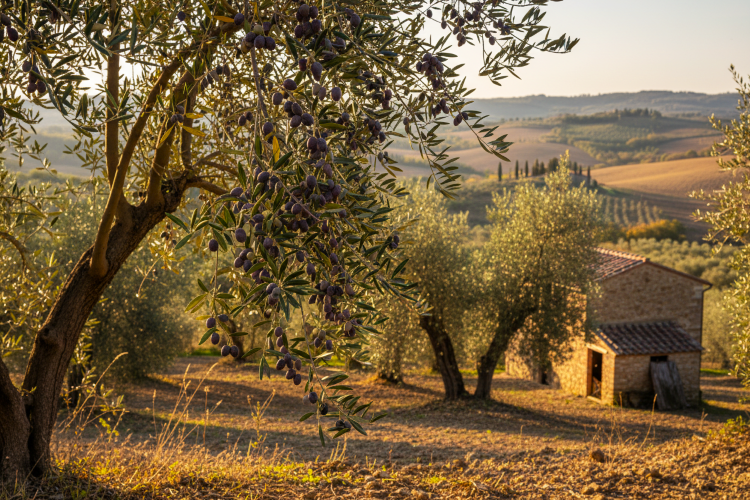
Spain is the world’s largest producer of olives and olive oil, responsible for nearly half of global production. Its diversity of landscapes — from the dry plains and hills of rural Andalucia to the green hills of Catalonia — has produced some of the finest varieties.

Picual (Andalusia)
•Flavor: Robust, peppery, and slightly bitter.
•Best for: High-heat cooking, roasting, and bold dishes.
•Highlight: With its high oil yield and antioxidant richness, Picual is the backbone of Spain’s extra virgin olive oil production.

Hojiblanca (Andalusia)
•Flavor: Fruity and herbal with notes of almond and apple.
•Best for: Both table use and premium olive oils.
•Highlight: Named for its silvery-white leaves (“hoja blanca”), Hojiblanca is prized for its balance of sweetness and peppery spice — ideal for versatile Mediterranean cooking.

Picudo (Córdoba, Andalusia)
•Flavor: Fruity, floral, and slightly sweet with hints of green almond.
•Best for: Gourmet oils and finishing dishes.
Highlight: Often blended with Hojiblanca and Picual, Picudo adds aromatic complexity and a smooth texture, reflecting Andalusia’s rich olive heritage.

Arbequina (Catalonia)
•Flavor: Mild, buttery, and fruity.
•Best for: Salad dressings, seafood, and pastries.
•Highlight: Small but mighty, Arbequina olives produce smooth, delicate oils that are popular for their versatility and sweetness.

Picudo adds aromatic complexity and a smooth texture

Italy: deep regional variation in olive varieties

Italy’s olive culture is deeply regional - every valley and hillside seems to have its own preferred cultivar. From the golden oils of Tuscany to the fruity ones of Liguria, Italian olives embody terroir like fine wine.

Frantoio (Tuscany)
•Flavor: Fruity and grassy with a pleasant peppery finish.
•Best for: Finishing pastas, soups, and bruschetta.
•Why it stands out: The Frantoio is the backbone of Tuscan extra virgin olive oil, admired for its balance of fruit and spice.

Leccino (Central Italy)
•Flavor: Mild and rounded, with subtle almond notes.
•Best for: Everyday cooking and blending with bolder oils.
•Why it stands out: Often blended with Frantoio, Leccino provides a smooth, mellow counterpart in many Italian oils.

Taggiasca (Liguria)
•Flavor: Fruity, nutty, and slightly sweet.
•Best for: Tapenades, salads, and as table olives.
•Why it stands out: These small, purple-black olives thrive on steep Ligurian terraces overlooking the Mediterranean, producing oils with a refined and gentle profile.

Greece: Ancient varieties and traditions

Greek olive culture is ancient, with varieties adapted over millennia to the country’s rocky terrain and brilliant sunshine.

Koroneiki (Peloponnese & Crete)
•Flavor: Fruity, aromatic, and slightly herbal.
•Best for: Premium extra virgin olive oil.
•Why it stands out: Often called the “queen of olives,” Koroneiki is revered for producing richly aromatic oils with balanced acidity.

Kalamata (Southern Greece)
•Flavor: Meaty, fruity, and wine-like.
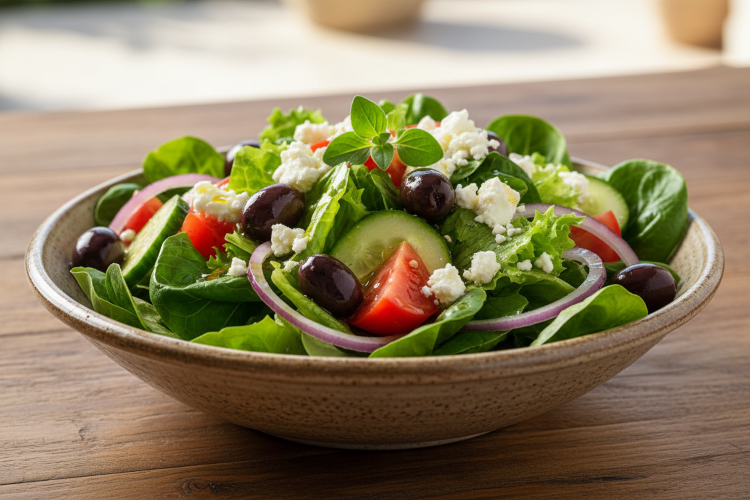
•Best for: Table olives and Mediterranean salads.
•Why it stands out: These almond-shaped, purple-black olives are synonymous with Greek cuisine, offering a satisfying blend of tang and depth.

France: small but fine olive production in the South

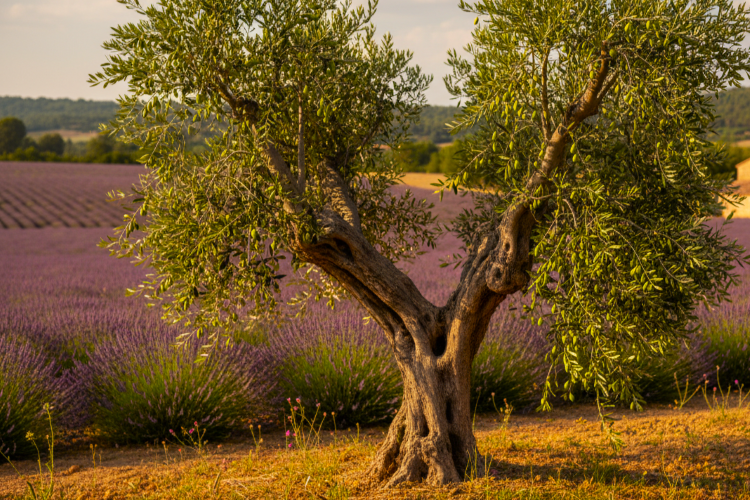
French olive production is considerably smaller in scale than Spain or Italy's, but it produces still some olives with finesse. Provence and Languedoc yield distinctive varieties suited both for eating and oil.

Picholine (Languedoc)
•Flavor: Crisp, slightly salty, and faintly bitter.
•Best for: Aperitifs, martinis, and tapenade.
•Why it stands out: France’s signature green olive, the Picholine is cherished for its firm texture and refreshing flavour.

Lucques (Occitaine)
•Flavor: Sweet, buttery, and mild.
•Best for: Snacking or pairing with cheese.
•Why it stands out: Known as the “green diamond,” Lucques olives have a unique crescent shape and smooth, velvety flesh.

You may also like these articles

What are Polyphenols and which olive oils have the most?

You’ve probably seen that many premium extra virgin olive oil companies talk about the high levels of polyphenols in their olive oil. At Etico we a...

Tags: Health and nutrition, Olive oil

Read more

What Is the Best Type of Olive Oil? A Complete Guide

If you’ve ever found yourself staring at the grocery store shelf wondering what the best type of olive oil is, you’re not alone. With labels like e...

Tags: Olive oil

Read more

7 reasons to subscribe to Etico Olive Oil

There are many reasons you might want to subscribe to Etico olive oil…  In this article we explain why we think you might want to sign up to buy Et...

Tags: Etico, Olive oil

Read more
Add Special instructions for your order
Coupon Code